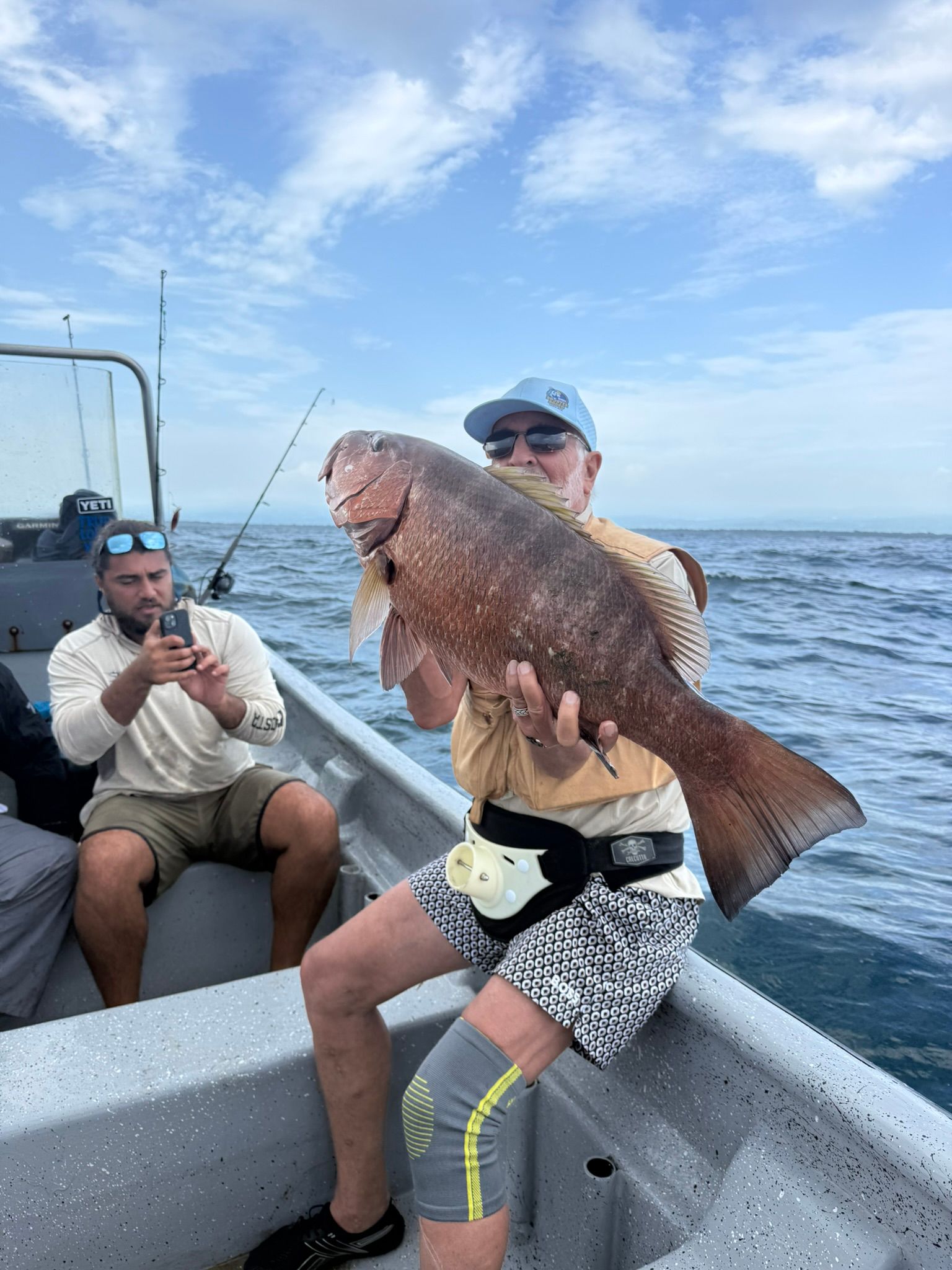


Sunset Ocean Fishing Cruise along the Coast
 Quepos, CR
What you will be catching:
 Blue Marlin
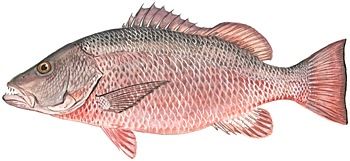 Cubera Snapper
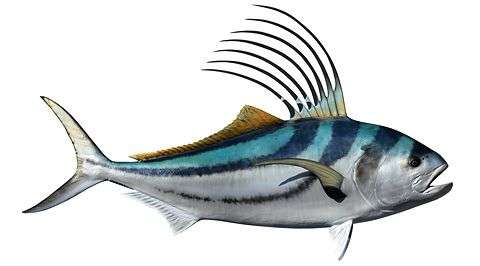
 Roosterfish
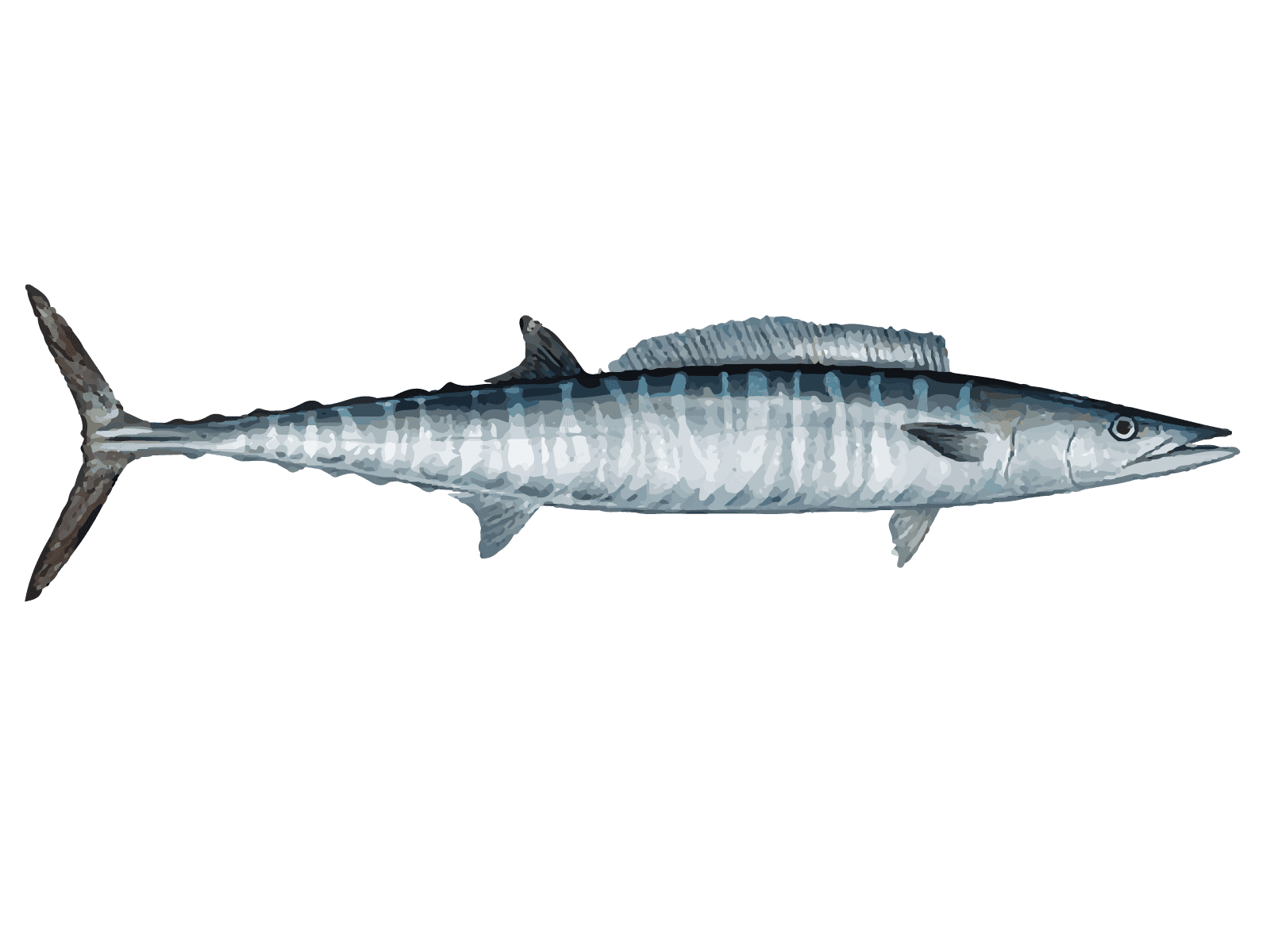
 Wahoo Fish
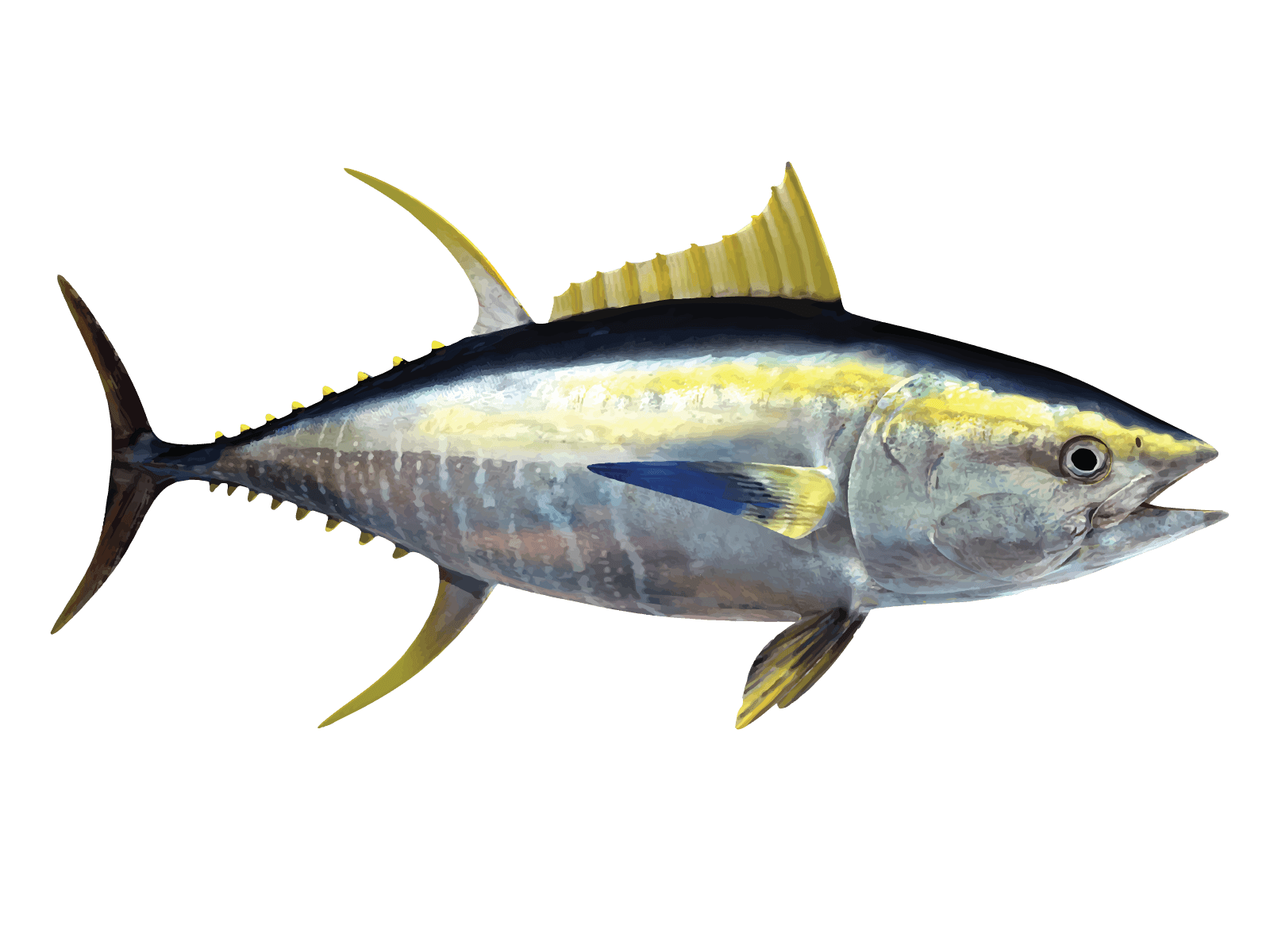
 Yellowfin Tuna
- Half-day sunset cruise targeting roosterfish and snapper
- Departs Marina Pez Vela with gear and refreshments included
- Family-friendly experience accommodating up to six guests
Trip Pricing and Availabilities:
Sunset Ocean Fishing Cruise along the Coast
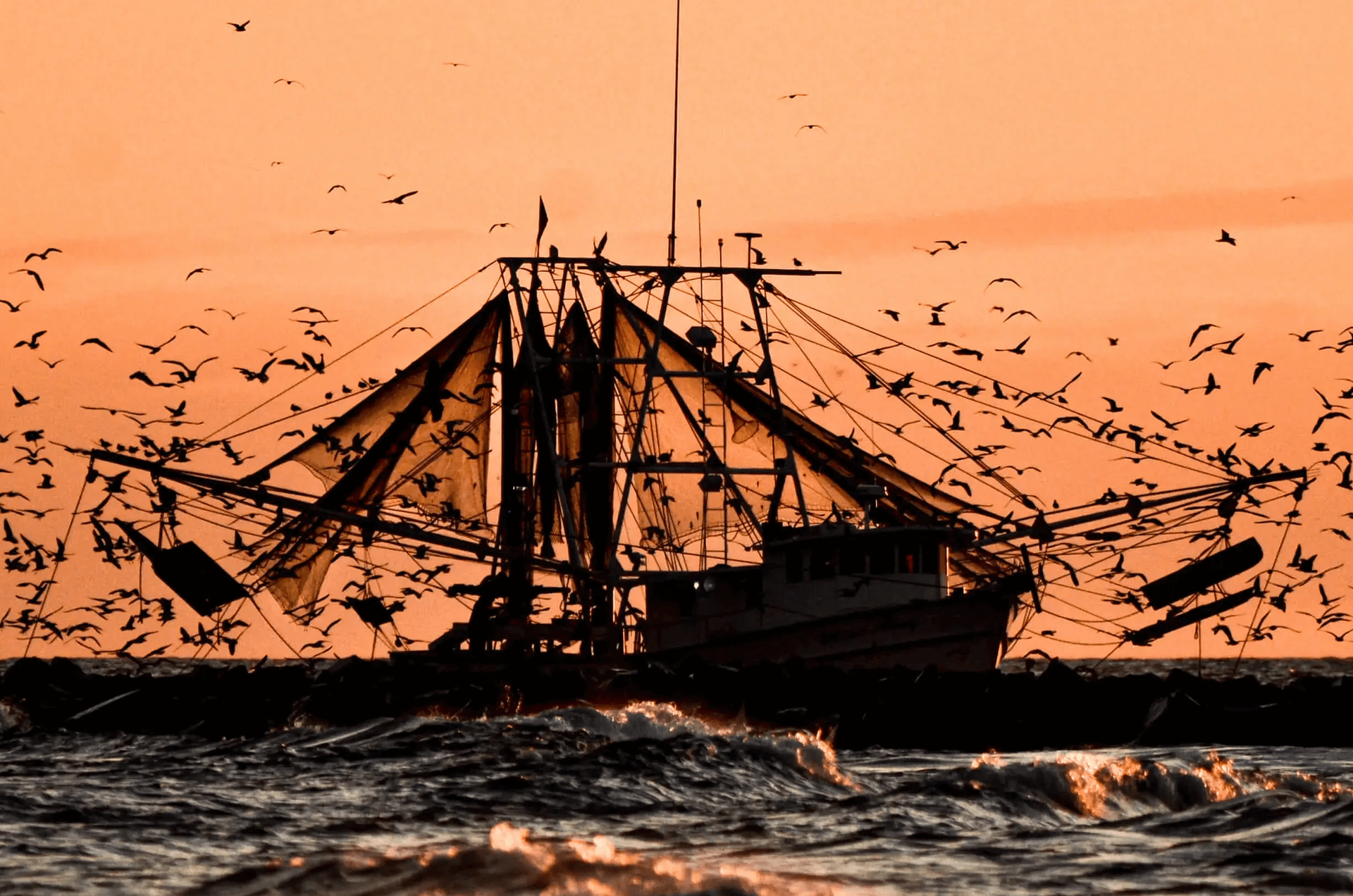
Picture this: you're casting lines as the Pacific sun paints the sky orange and pink, with roosterfish cruising the rocky points and snapper holding tight to the reefs. Our sunset fishing cruise from Marina Pez Vela gives you that perfect combo of productive fishing and jaw-dropping scenery that makes Costa Rica's offshore scene so special. Captain Jose knows exactly where the fish stack up around those coastal islands, and with only six anglers max on board, you'll get plenty of shots at some serious gamefish without fighting crowds for rod space.
What to Expect on the Water
This half-day afternoon trip is all about hitting the sweet spots close to shore while the light gets magical. We're talking rocky islands, submerged reefs, and structure that holds everything from aggressive roosters to chunky snappers. The afternoon timing works perfectly - fish are active, seas are typically calmer, and you'll watch one of the most beautiful sunsets on the planet while working live bait over prime habitat. Captain Jose runs a tight ship with all the gear you need, plus he's got that local knowledge that puts you on fish instead of just hoping. Cold drinks and fresh fruit keep you comfortable, and the relaxed vibe makes this perfect for families or anyone wanting to unwind after a busy day.
Live Bait and Bottom Rigs
Captain Jose sets up the spread with live bait presentations that get these coastal species fired up. We're running bottom rigs over the rocky structure where snapper love to hang out, plus free-lining baits around the points and drop-offs that attract roosterfish and other predators. The live bait makes all the difference - there's nothing like watching a roosterfish come up hot on a frisky sardine or feeling that solid thump when a big snapper inhales your offering down deep. All tackle is provided and rigged properly for the conditions, from circle hooks that improve release rates to weights that get your bait down to the strike zone fast. The captain reads the water and adjusts techniques based on what's happening - sometimes we're drifting structure, other times anchored up over productive bottom.
Top Catches This Season
Blue marlin are the holy grail out here, and while they're not daily catches, when conditions align these offshore giants do move through the area. Peak season runs May through August, with fish averaging 200-400 pounds but occasionally much larger. What makes marlin so special isn't just the size - it's that aerial display when they come tight, greyhounding across the surface with that distinctive bill and dorsal fin. The fight can last anywhere from 20 minutes to over an hour, and Captain Jose knows how to position the boat for the best angles.
Roosterfish are Costa Rica's signature species, and for good reason. These gorgeous fighters with their iconic dorsal fins love the rocky points and sandy beaches we fish. They average 15-40 pounds in this area, though 60+ pounders aren't unheard of. Best fishing is typically December through April, and they're absolute bulldogs - making long powerful runs and using their body shape to maximum advantage. The visual excitement when one comes up on a surface bait with that dorsal fin cutting water is something you'll remember forever.
Wahoo are speed demons that show up year-round but peak during the warmer months. These torpedo-shaped predators average 20-50 pounds and are known for blistering initial runs that can peel 100+ yards of line in seconds. They've got razor-sharp teeth and incredible acceleration, making them a favorite for anglers who love fast action. The meat is also outstanding - firm, white, and perfect for the grill.
Yellowfin tuna in this area typically run 15-80 pounds, with peak season from May through November. These fish are pure muscle and stamina, often making multiple deep runs that test your tackle and technique. They school up around bait balls and structure, and when you find them, the action can be non-stop. Their dark red meat is prized for sashimi, and the fight is incredibly challenging - they use their body shape and power to maximum advantage.
Cubera snapper are the bruisers of the reef, with fish over 40 pounds not uncommon around the rocky structure we target. These heavy-bodied fighters use every cave and crevice to their advantage, making short but incredibly powerful runs toward cover. They're year-round residents but seem most active during transitional periods between seasons. The hookset needs to be immediate and solid - cuberas have crushing jaws and won't hesitate to break you off in the rocks if you give them slack.
Time to Book Your Spot
With only six spots available and Captain Jose's reputation for putting anglers on fish, this sunset cruise fills up fast during peak season. The combination of productive fishing, stunning scenery, and that relaxed afternoon vibe makes it a customer favorite for good reason. Whether you're targeting your first roosterfish, hoping for a marlin encounter, or just want to spend a beautiful evening on the Pacific, this trip delivers the complete Costa Rican fishing experience. The all-inclusive setup means you just show up ready to fish - we've got everything else covered. Book now and get ready for an evening on the water you'll be talking about for years.
Learn more about the species
Blue Marlin
Blue marlin are the giants of our waters, with females reaching over 1,000 pounds while males stay around 350. These apex predators cruise the open Pacific in warmer months, hunting tuna and mackerel with their signature bill. You'll find them in deeper offshore waters, usually following baitfish schools. Their powerful runs and aerial acrobatics make them legendary fighters - when one hits your line, expect a battle that can last hours. The meat's not great due to high mercury, so most anglers release these magnificent fish. Here's a local trick: when trolling for marlin, keep your lures running at different depths and speeds. They're ambush hunters, so vary your presentation until you find what triggers their strike.
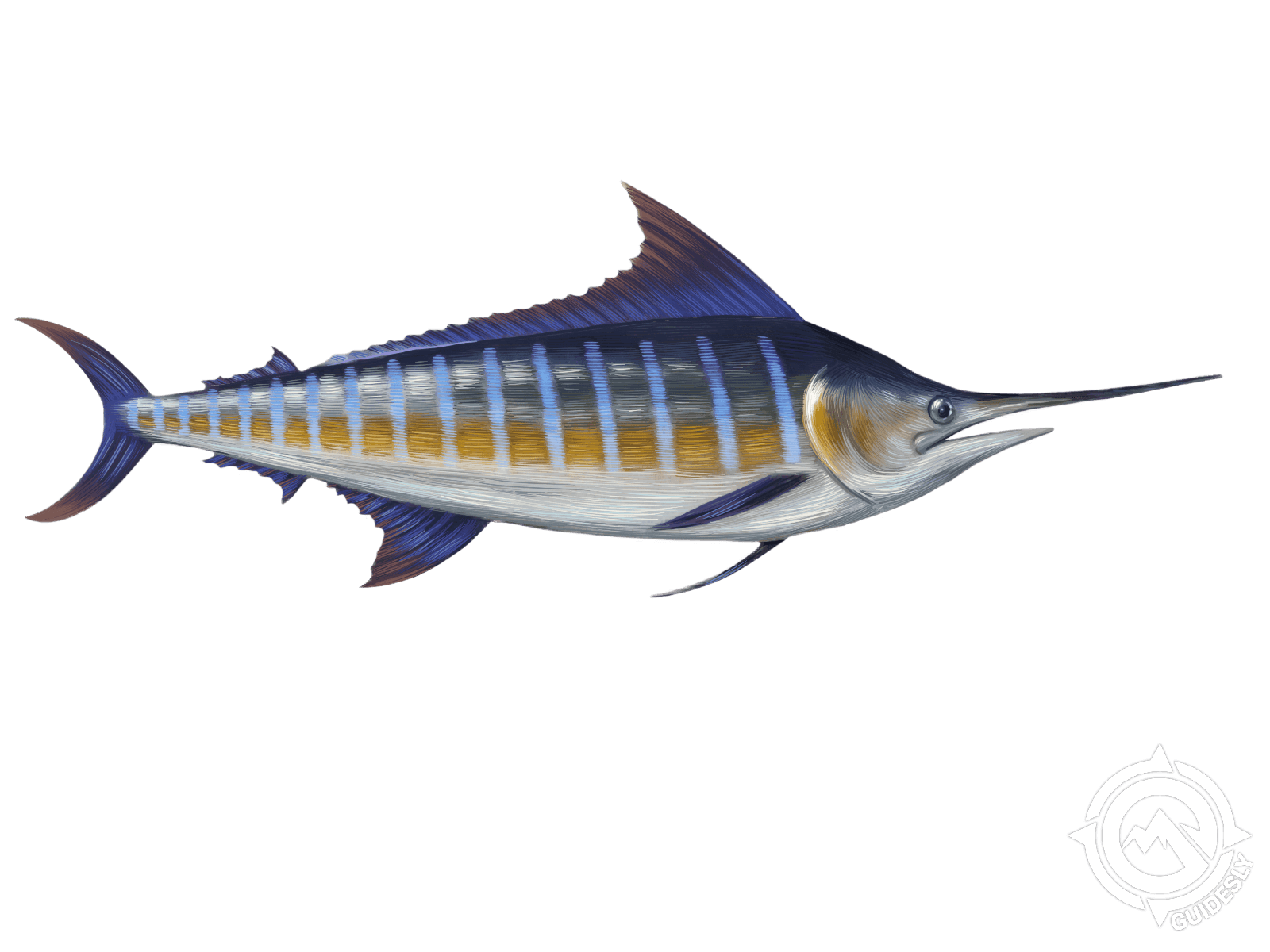
Cubera Snapper
Cubera snapper are the giants of the snapper family, with fish over 50 pounds lurking around our rocky islands and reefs. These bruisers have massive heads, thick lips, and canine teeth that can crush crabs and lobsters. You'll find them hugging structure in 30-150 feet, especially around rocky ledges and underwater peaks. They bite year-round, but May through August brings the best action when they move shallow to spawn. What makes cuberas special is their raw power - once hooked, they'll try to drag you straight back to the rocks. The smaller ones are excellent eating, but big breeding fish should be released. Here's the key: use heavy tackle and don't give them an inch. The moment you feel the bite, pull hard and keep pulling - hesitate and they'll cut you off on the reef.
Roosterfish
Roosterfish are Costa Rica's signature inshore gamefish, easily spotted by their distinctive "rooster comb" dorsal spines that shoot up when they're excited or feeding. These beauties typically run 20-60 pounds, with trophy fish pushing over 100. You'll find them around our rocky islands and reefs, especially where the sandy bottom meets structure in 20-80 feet of water. They're here year-round, but fishing peaks during dry season when baitfish concentrate near shore. Most anglers catch and release roosters since the meat's tough, but the fight and photo opportunity make them pure gold. My tip: when you hook one, keep steady pressure but don't rush it - they'll make long powerful runs toward structure, so be ready to follow.
Wahoo Fish
Wahoo are speed demons, hitting 60 mph when they strike your lure. These sleek predators typically weigh 20-80 pounds with razor-sharp teeth, so wire leaders are essential. They cruise open water and drop-offs, usually in the top 200 feet where they ambush flying fish and small tuna. Best fishing here runs May through October when water temps peak. What makes wahoo special is they're both great fighters and fantastic table fare - firm white meat that's perfect for grilling or sashimi. They hit fast and fight hard with blistering runs. Pro tip: troll at 12-15 knots with bright lures or ballyhoo. When you see one following your bait, don't slow down - speed up. Their competitive nature often triggers the strike when they think prey is escaping.
Yellowfin Tuna
Yellowfin tuna are the ultimate offshore prize - powerful, fast, and delicious. These torpedo-shaped fighters typically run 20-150 pounds in our waters, with their bright yellow fins flashing as they hunt in schools. They live in the open Pacific, usually in the top 300 feet where they chase baitfish. Peak season runs during warmer months when they move closer to shore following sardine schools. Anglers love them for their bulldogging fights and premium sashimi-grade meat that rivals any restaurant. They're warm-blooded fish that can sustain long battles. Local secret: when trolling isn't producing, try chunking with live sardines or anchovies. Get them feeding behind the boat, then drop a live bait into the frenzy. Once hooked, keep steady pressure - they'll sound deep and test your drag.
About the Monster Fishing
Vehicle Guest Capacity: 6
Manufacturer Name: Suzuki
Maximum Cruising Speed: 32
Number of Engines: 2
Horsepower per Engine: 200