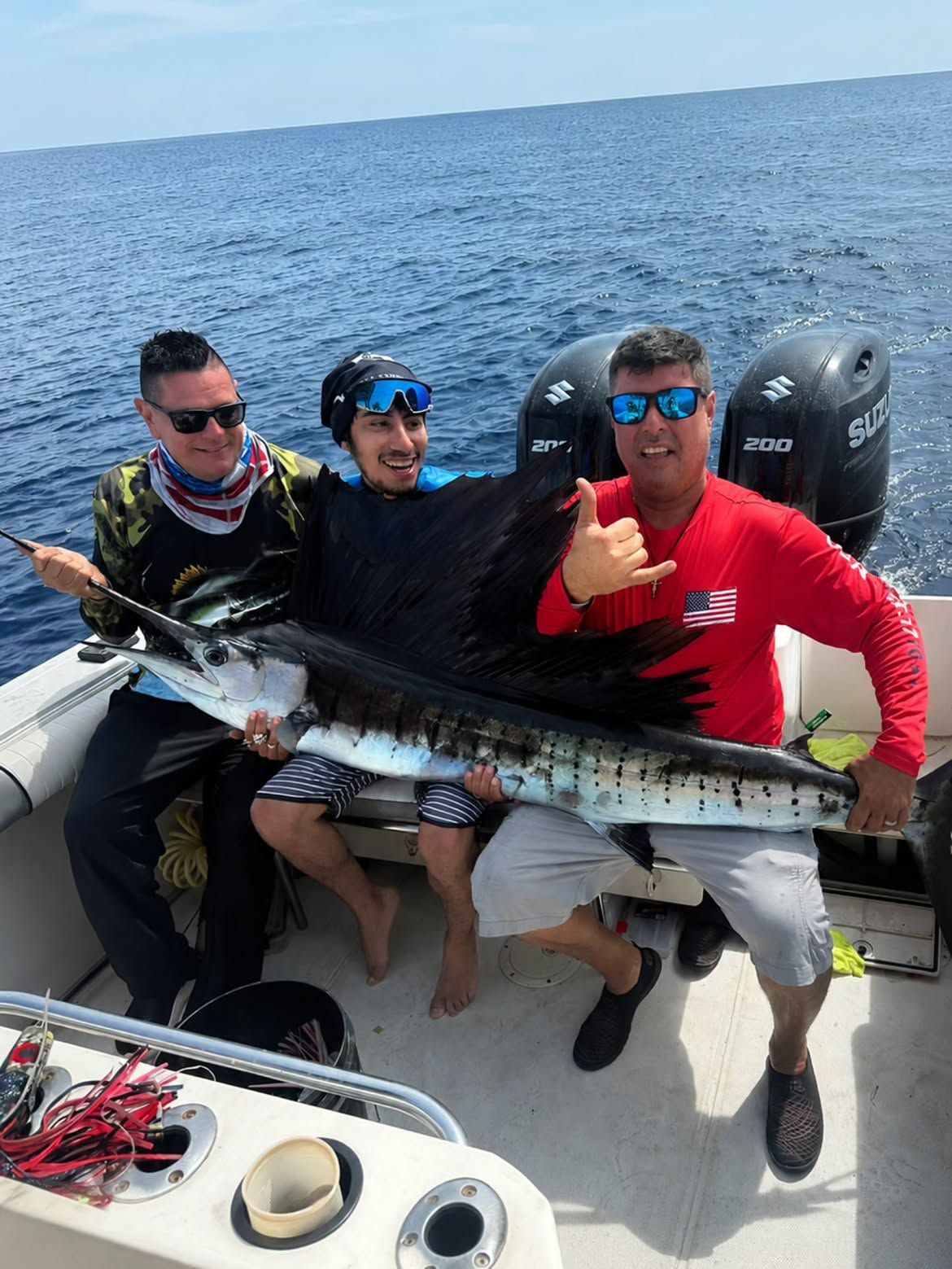


Deep Sea Blue Water Big Game Trip
 Quepos, CR
What you will be catching:
 Blue Marlin
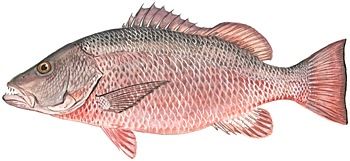 Cubera Snapper
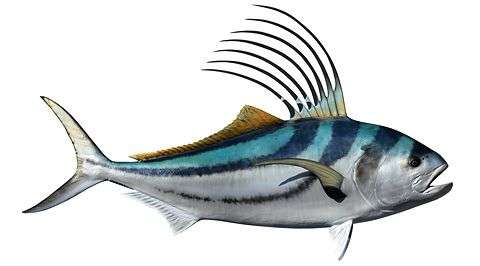
 Roosterfish
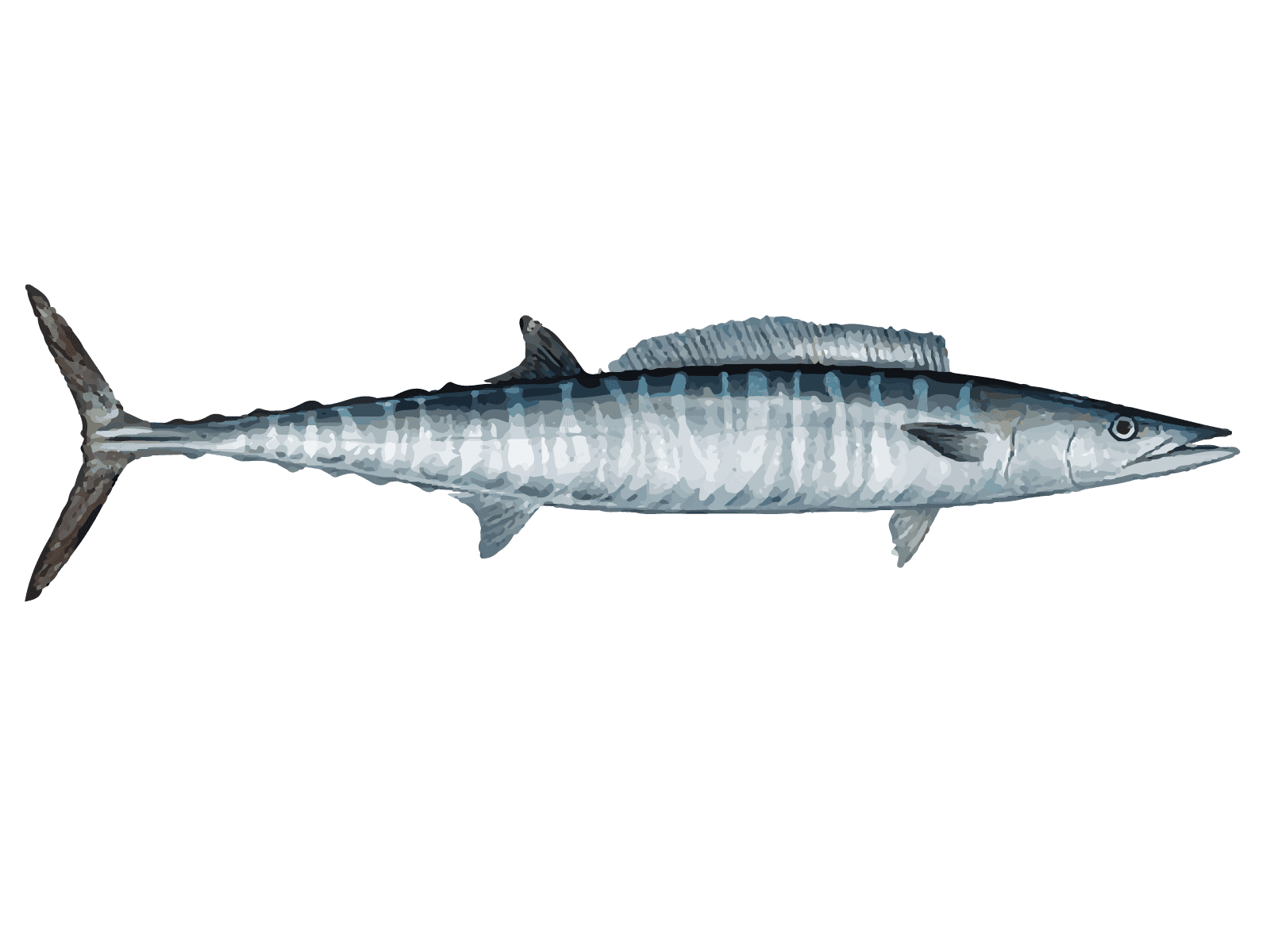
 Wahoo Fish
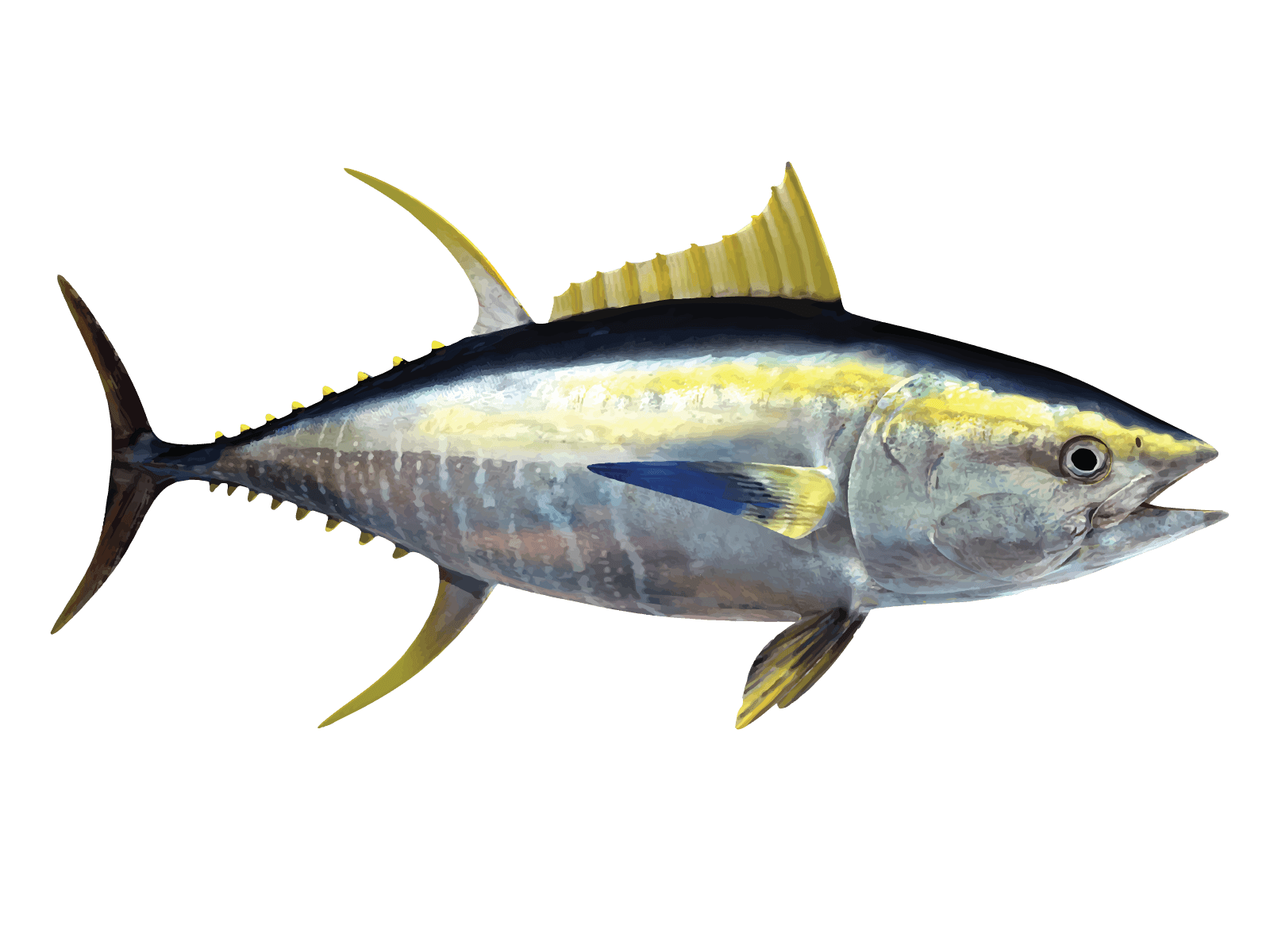
 Yellowfin Tuna
- Target Pacific sailfish, marlin, tuna and wahoo offshore
- Captain Jose provides 27 years deep water fishing expertise
- Full-day trip includes tackle, bait, meals and beverages
Trip Pricing and Availabilities:
Deep Sea Blue Water Big Game Trip
When you're looking for the real deal in Central American offshore fishing, this deep sea adventure with Captain Jose puts you right where the big boys live. We're talking serious blue water fishing here - the kind where you head out 20+ miles into the Pacific and watch the water turn that deep cobalt blue that gets every angler's heart pumping. This isn't your typical inshore day trip. You'll be cruising aboard a fast 32-foot Robalo that cuts through the swells like butter, heading straight for the drop-offs where the food chain explodes with life and the trophy fish gather to feed.
What to Expect on the Water
Captain Jose has been working these waters for 27 years, and it shows in every decision he makes out there. The day starts early - we're talking first light departure to maximize your time in the prime fishing zones. Once we clear the continental shelf and hit that magical 100-fathom curve, you'll see why this area has built such a reputation among serious offshore anglers. The water temperature breaks, current lines, and underwater structure create the perfect storm for pelagic action. You'll spend your day covering serious ground, with the captain constantly reading the water, watching for bird activity, and positioning the boat where the baitfish are getting hammered. The Robalo's twin engines give us the speed to chase down schools and the stability to fight fish comfortably in open ocean conditions. With room for up to 6 anglers, there's plenty of space to work without getting tangled up during the chaos of a multiple hookup.
Trolling Spreads & Tactics
This is where Captain Jose's experience really shines. He runs a proper offshore spread with a mix of rigged ballyhoo, cedar plugs, and high-speed lures designed to trigger strikes from fast-moving pelagics. We're talking four to six lines in the water, each positioned at different distances and depths to cover the entire water column. The outriggers keep the spread wide, while the flat lines and shotgun position fill in the gaps. When we're targeting sailfish and marlin, the captain adjusts the boat speed to that perfect 6-8 knot trolling pace that makes the baits dance just right. But when the bird action fires up and we spot tuna crashing bait, everything changes. We'll switch to casting mode with poppers and stick baits, or troll through the schools with smaller lures at higher speeds. The boat comes equipped with top-shelf tackle - we're talking 30 and 50-pound class rods with quality reels that can handle long runs and brutal fights. Live bait gets worked into the mix when conditions call for it, especially when we're targeting those finicky yellowfin or trying to coax a marlin to bite.
Species You'll Want to Hook
Blue Marlin are the ultimate prize out here, and Central America's Pacific waters hold some serious fish. These apex predators can show up anywhere from 100 to 2000 pounds, with the bigger fish typically found around the deeper drop-offs and seamounts. Peak season runs from December through April, when the bait concentrations draw them in close. What makes marlin fishing so addictive is the visual aspect - watching a 400-pound fish come up behind your lure, light up electric blue, and crash the bait is something that stays with you forever. The fights are legendary, with long runs, jumps, and battles that can last hours.
Roosterfish bring a different kind of excitement to the table. These prehistoric-looking fighters with their distinctive sail-like dorsal fins are ambush predators that love to hunt around structure and bait schools. They typically run 20 to 60 pounds in these waters, with fish over 80 pounds being caught regularly. What's special about roosters is their aggressive nature - they'll often follow lures right to the boat, giving you that heart-stopping visual before they decide to strike. The fights are characterized by powerful runs and head-shaking jumps that test your drag settings and your nerves.
Wahoo are pure speed demons that can hit your lure at 40+ mph, often cutting lines before you even know what happened. These torpedo-shaped predators average 30 to 60 pounds but can exceed 100 pounds in these rich Pacific waters. They're most active during the cooler months and early mornings when they come up to feed on flying fish and squid. The key to wahoo fishing is high-speed trolling with wire leaders - their razor-sharp teeth will slice through mono in a heartbeat. When you hook one, be ready for the fastest first run you'll ever experience.
Yellowfin Tuna are the workhorses of offshore fishing, combining incredible strength with stubborn fighting characteristics that will test your endurance. The fish here typically range from 40 to 150 pounds, with larger fish showing up during certain times of the year. What makes yellowfin so challenging is their tendency to sound deep and stay down, turning every fight into a pumping and winding marathon. They school heavily around bird activity and bait balls, creating those magical moments when you can see dozens of fish crashing the surface.
Cubera Snapper might not be the fastest fish in the ocean, but they're pound-for-pound some of the strongest. These bottom-dwelling brutes can exceed 60 pounds and have an attitude to match their size. They're typically found around underwater structure and drop-offs, where they ambush prey with powerful strikes. What makes cubera special is their bulldogging fight - once hooked, they head straight for the rocks and try to cut you off, making every fight a test of tackle and technique.
Time to Book Your Spot
This deep sea adventure represents the pinnacle of Central American offshore fishing, combining world-class waters with an experienced captain who knows how to put you on fish. The full-day format gives you the time needed to really work the water and capitalize on the best bite windows. With everything included - from top-
Learn more about the animals
Blue Marlin
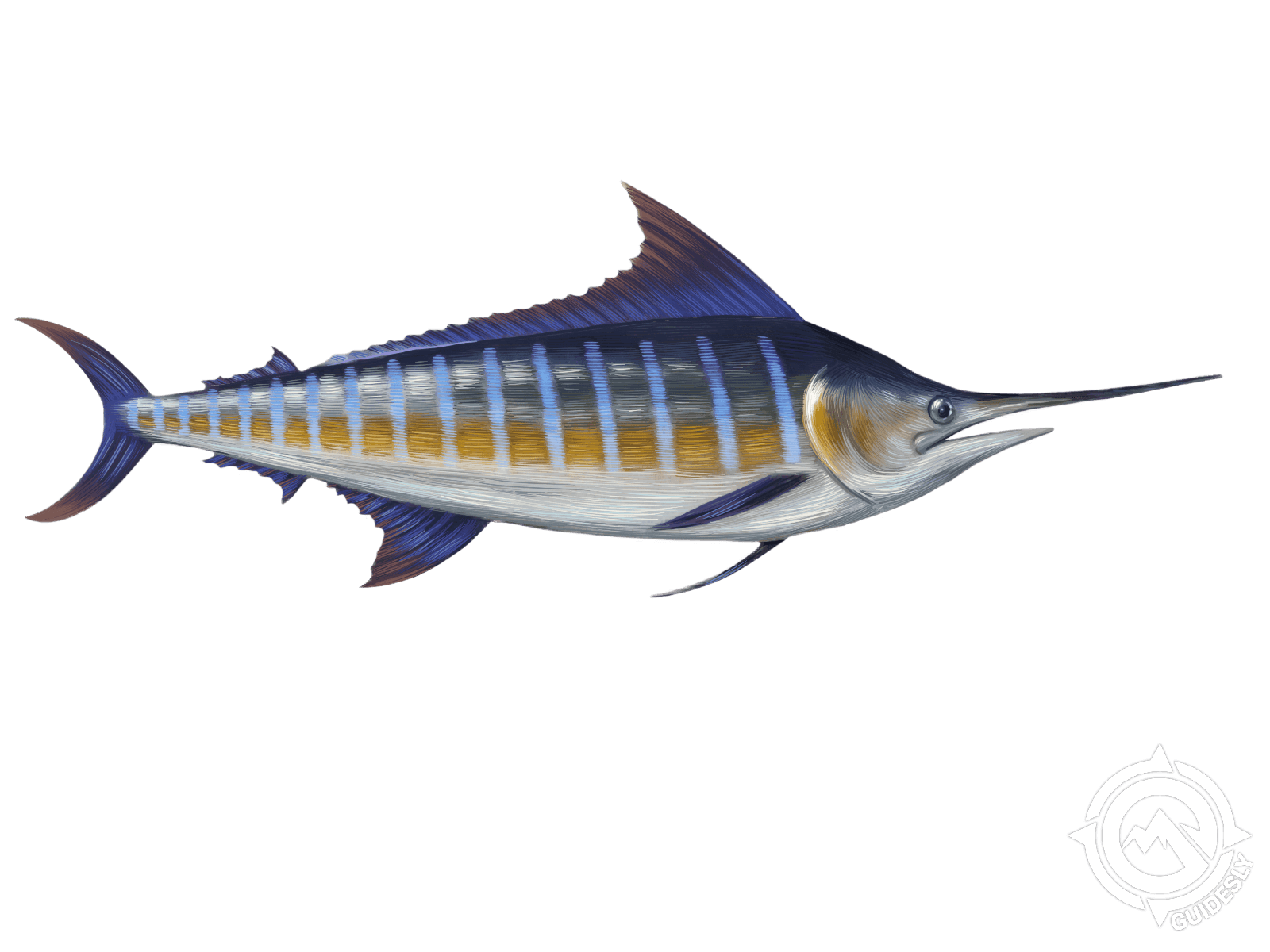
The blue marlin is the king of Central America's deep waters. These massive fish can reach over 1,000 pounds, with females growing much larger than males. You'll find them in the warm Pacific waters year-round, especially around drop-offs and current lines where they hunt yellowfin tuna and smaller pelagic species. Their dark blue backs and silver sides make them unmistakable, but it's that long bill and incredible power that makes them legendary. They put up an amazing fight with wild jumps and long runs that'll test your gear and stamina. While most anglers release them, the thrill of hooking one is why people travel across the world. Captain Jose's tip: when we get a bite, let the fish eat the bait completely before setting the hook - patience pays off with these giants.
Cubera Snapper
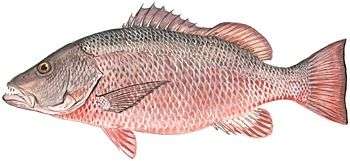
Cubera snapper are the giants of the snapper family, with fish over 50 pounds lurking around our offshore rocky structures and deep reefs. These bruisers have massive canine teeth and thick bodies built for power, typically found in 60-150 feet around drop-offs and ledges. They're year-round residents but spawn heavily from May through August when they're more aggressive. What makes them special is the challenge - they're smart, strong fighters that'll head straight back to the rocks when hooked. The meat is excellent when prepared right, though larger fish can carry ciguatera. We fish them with live skipjack or large squid on heavy tackle around structure. Captain Jose's technique: once you hook one, fight hard and fast to keep them away from the rocks. Let them run too long and they'll cut you off on the reef every time.
Roosterfish
Roosterfish are one of Central America's most iconic catches with their distinctive "rooster comb" dorsal fins that shoot up when they're excited or hunting. These powerful fish average around 40-60 pounds but can push over 100. You'll find them in the inshore Pacific waters around rocky points and reefs, usually in 20-80 feet of water. They're year-round residents here, making them a reliable target any season. Most guests love them for the photos - those raised fins create an amazing shot - plus they're absolute bulldogs on the line with long, powerful runs. We typically catch and release since the meat can be tough. Captain Jose swears by slow-trolling live blue runners or mullet near the rocks. Pro tip: when you hook one and it sees the boat, get ready for one last desperate run to the deep.
Wahoo Fish
Wahoo are pure speed demons, hitting 60 mph and striking trolled baits like lightning. These sleek silver bullets with zebra-like blue stripes typically run 20-50 pounds in our waters, though bigger ones cruise the deep drop-offs. We find them year-round in the blue water, often mixed with tuna schools or cruising near floating debris. They're aggressive fighters with blistering initial runs, but tire quickly. What really sets them apart is the meat - white, flaky, and delicious. Many consider wahoo the best eating fish in the ocean, perfect for tacos or grilled steaks. We troll high-speed spreads at 12-15 knots to trigger their predatory instincts. Captain Jose's secret: always use wire leaders - their razor teeth will slice through mono in a heartbeat. When you hook one, hold on tight for that first screaming run.
Yellowfin Tuna
Yellowfin tuna are the workhorses of our offshore fishing, running 30-100 pounds with that classic torpedo shape and bright yellow fins. These warm-blooded speedsters cruise the upper water column around bird activity and current breaks in our deep Pacific waters. Peak season runs year-round here, but we see the biggest schools during certain months when baitfish are thick. Guests love them for the brutal, sustained fight - they just don't quit - and the top-quality sashimi meat that rivals any restaurant. We target them by trolling rigged ballyhoo and lures, or jigging when they're marked deep. When surface feeding, nothing beats watching them explode on poppers. Captain Jose's move: when trolling isn't working, switch to chunking with cut bait to bring them up from the depths. Always keep your drag smooth - these fish fight hard and long.
About the Monster Fishing
Vehicle Guest Capacity: 6
Manufacturer Name: Suzuki
Maximum Cruising Speed: 32
Number of Engines: 2
Horsepower per Engine: 200