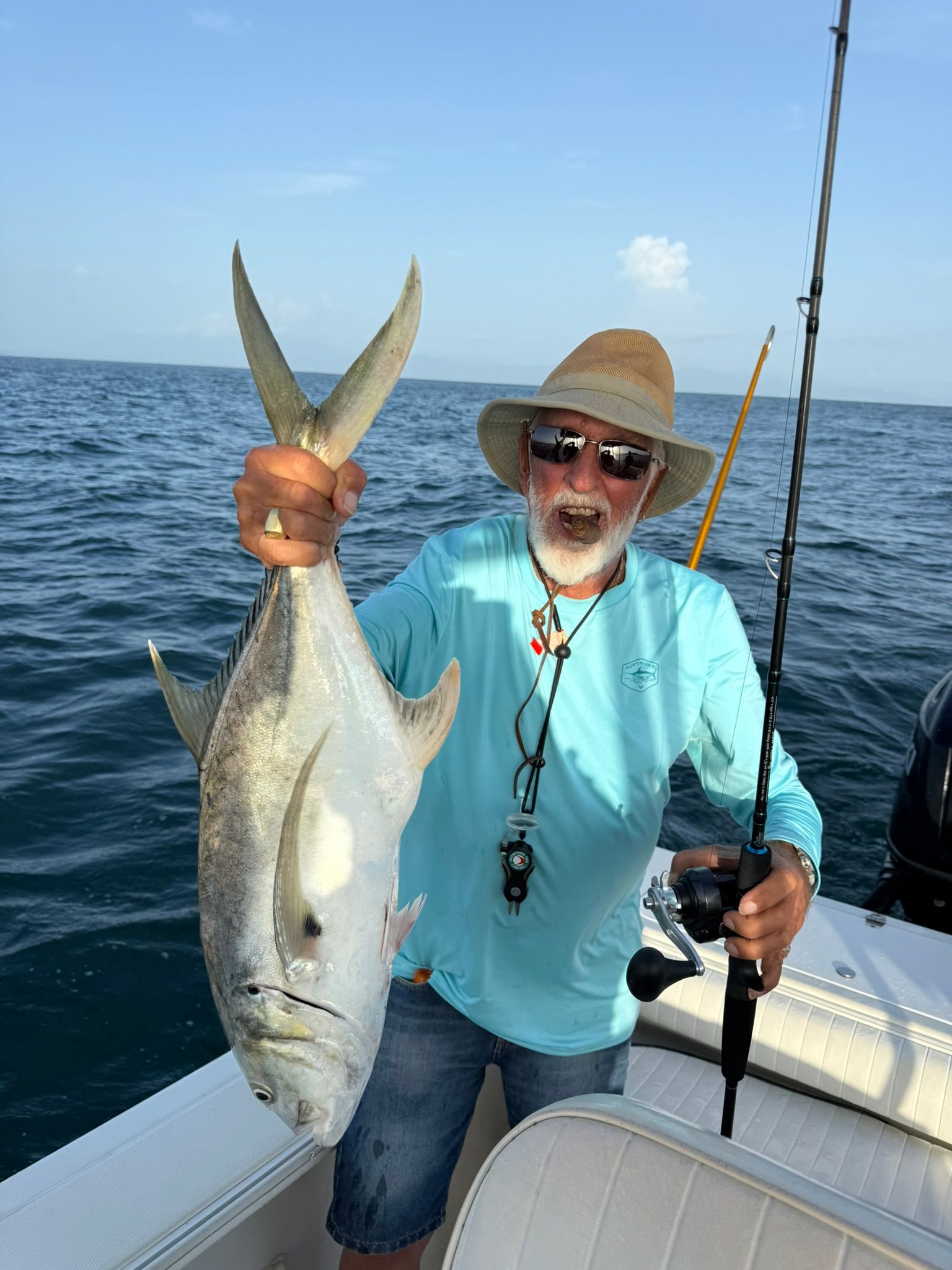


Easy Coastal Fishing Trip for All Ages
 Quepos, CR
What you will be catching:
 Blue Marlin
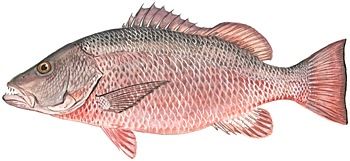 Cubera Snapper
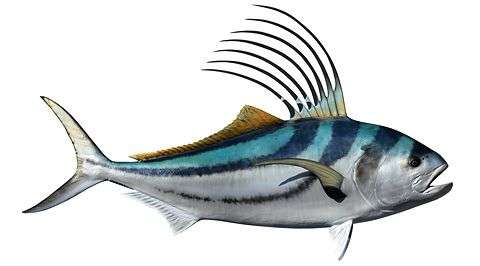
 Roosterfish
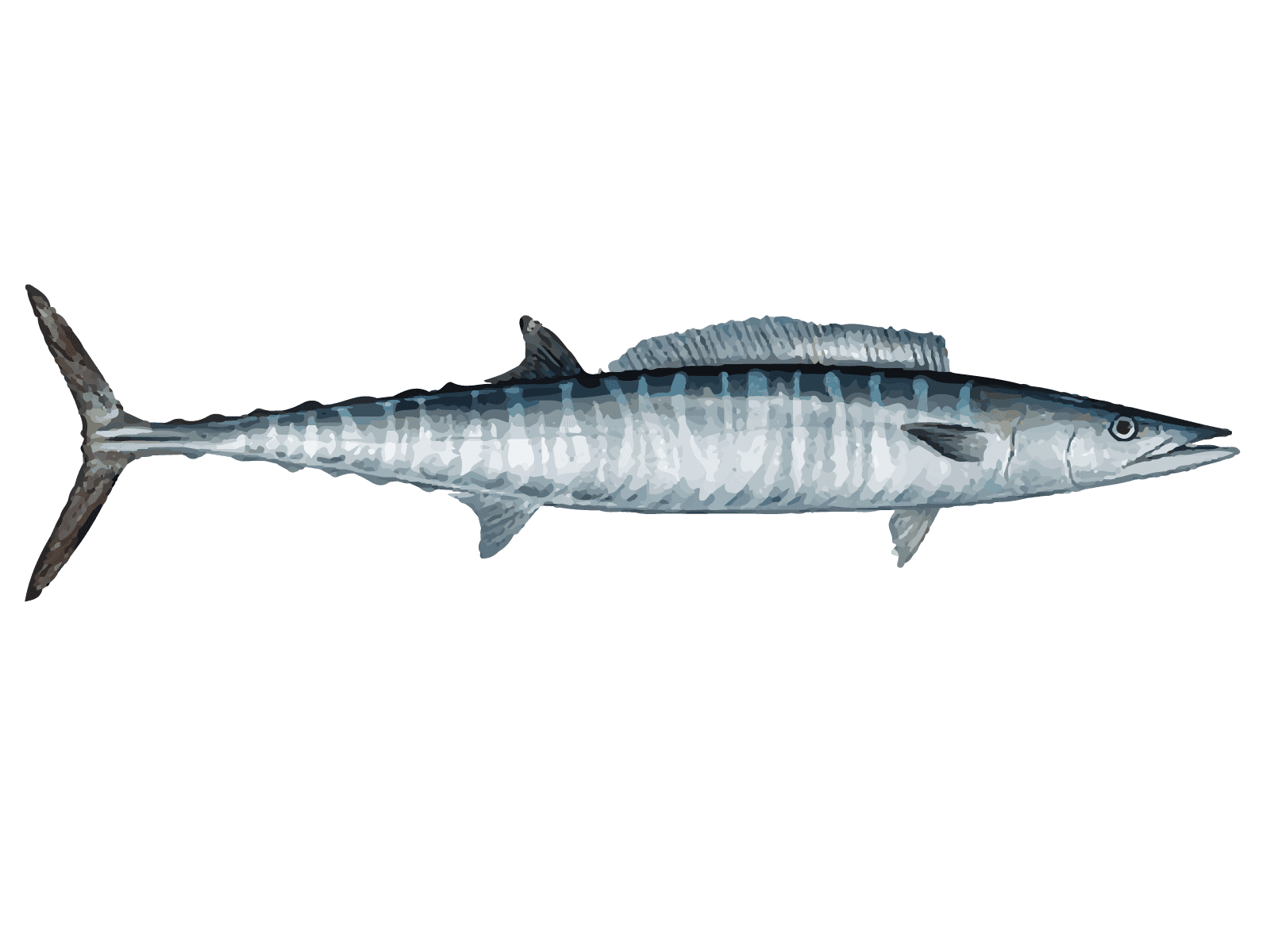
 Wahoo Fish
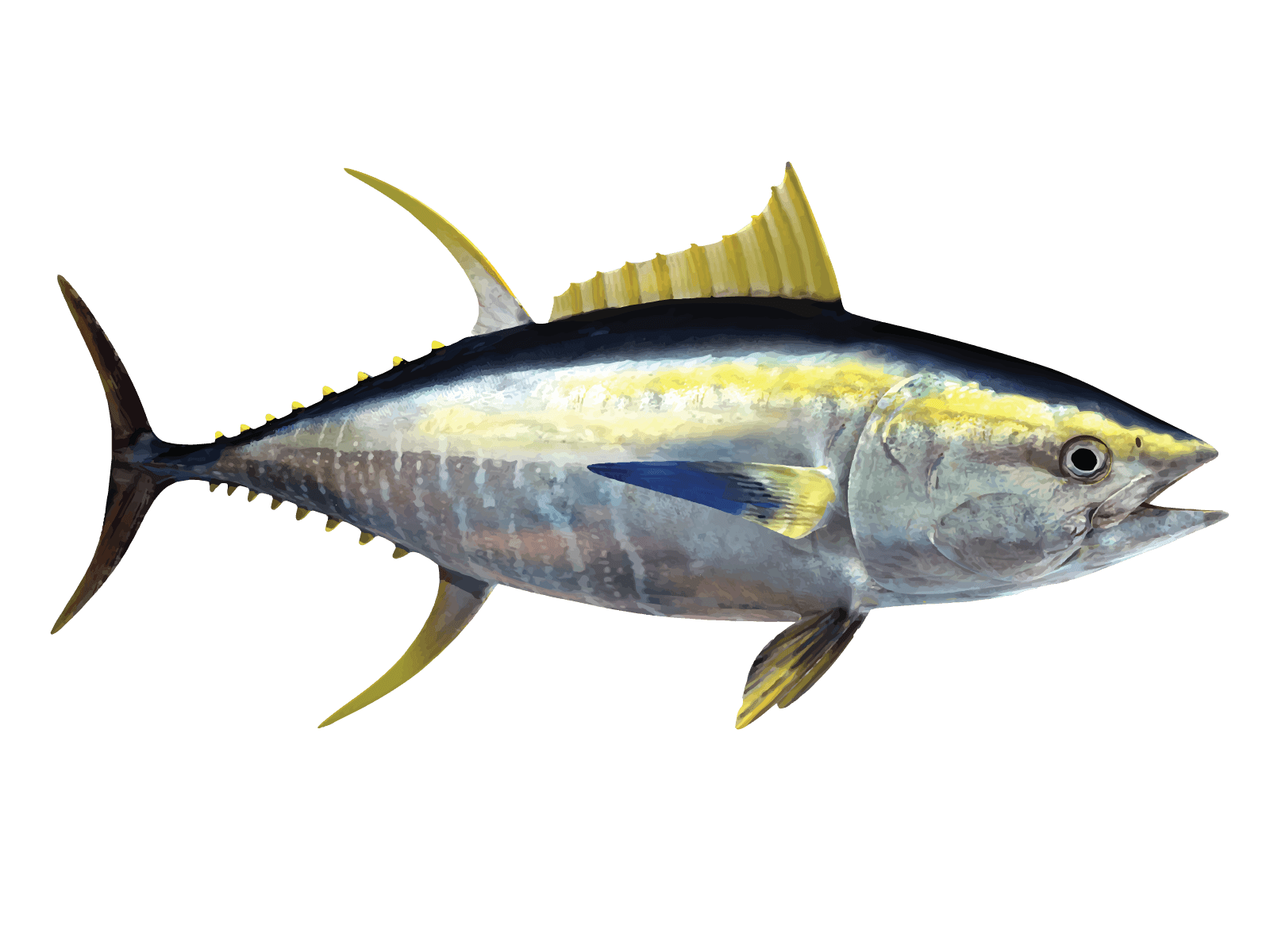
 Yellowfin Tuna
- Half-day coastal fishing expedition targeting roosterfish and snapper
- Family-friendly adventure departing from Marina Pez Vela
- Complete package includes equipment, bait, drinks, and snacks
Trip Pricing and Availabilities:
Easy Coastal Fishing Trip for All Ages
Looking for a stress-free way to get your whole crew on the water? This half-day coastal fishing adventure out of Quepos is exactly what you need. Captain Jose knows these waters like the back of his hand and specializes in getting families and first-time anglers hooked up fast. We're talking about a quick run from Marina Pez Vela to productive fishing spots where the action starts almost immediately. No long boat rides, no seasick kids, just pure fishing fun in calm coastal waters where roosterfish and snapper are waiting to make your day. Everything's included - tackle, fresh live bait, cold drinks, and even some fresh fruit to keep everyone happy between hookups.
What to Expect on the Water
This isn't your typical deep-sea marathon - it's a smart, family-friendly approach to sampling Costa Rica's world-class fishing scene. Captain Jose keeps things close to shore, targeting rocky points and shallow reefs where the fish are aggressive and the water stays manageable. You'll be fishing in 30-80 feet of water, close enough to shore that nervous first-timers stay comfortable while still getting into serious gamefish. The boat's equipped with light tackle that's perfect for kids and adults alike, and Jose's got a cooler full of frisky live bait that drives these coastal predators absolutely crazy. Expect to be back at the dock by early afternoon, giving you plenty of time to grab lunch and tell fish stories. The whole vibe is relaxed and educational - Jose loves sharing local fishing knowledge and making sure everyone gets their hands on a rod.
Live Bait Tactics & Light Tackle
Captain Jose's secret weapon is fresh live bait - sardines and ballyhoo that he keeps lively in the boat's bait wells. We're fishing these around structure where big roosterfish and snapper like to ambush their meals. The technique is straightforward but deadly effective: present that bait naturally around rocky points and let the fish do the work. Jose uses light spinning tackle and conventional reels that are easy for anyone to handle, even kids who've never held a fishing rod. The drag systems are smooth enough to handle hard-fighting roosters without overwhelming smaller anglers. You'll learn to read the water, watch for bird activity, and feel the difference between a snapper tapping the bait and a roosterfish absolutely crushing it. The shallow reef structure along this coastline is perfect for this style of fishing - plenty of ambush points for predators and calm enough conditions that you can actually enjoy the fight instead of just hanging on.
Top Catches This Season
Blue marlin might seem like an unexpected bonus on a coastal trip, but juvenile billfish often cruise these nearshore waters, especially during the warmer months from December through April. These smaller marlin, typically 80-150 pounds, are perfect for light tackle and give an absolutely electric fight in shallow water. When one hits your live bait, you'll know it immediately - they often come up and crash the surface before making their first screaming run.
Roosterfish are the real stars of this show and the reason most anglers fall in love with Costa Rican fishing. These hard-fighting members of the jack family are famous for their distinctive dorsal fin that looks like a rooster's comb when they get excited. They're ambush predators that love rocky points and will absolutely demolish a live sardine. A 20-30 pound rooster will test your arms and teach you why Costa Rica's fishing reputation is so solid. They're most active during the dry season but can be caught year-round along this coast.
Wahoo are speed demons that patrol these coastal waters, especially where the bottom drops off near rocky structure. They're built like torpedoes and can hit 50+ mph when they want to. A wahoo strike on light tackle is something you'll never forget - they'll scream line off your reel faster than you thought possible. Peak wahoo action typically runs from May through November, and they're excellent eating if you want to take a few home.
Yellowfin tuna are another prize catch that makes these coastal trips special. The smaller school-sized fish, usually 15-40 pounds, are perfect for the light tackle setup and fight way above their weight class. They're most common during the warmer months and often travel in schools, so when you find one, you might find many. Their meat is sushi-grade, making them a favorite among anglers who appreciate great table fare.
Cubera snapper are the bulldogs of the reef - thick-bodied bottom dwellers that use every rock and crevice to their advantage. These guys can grow massive, with fish over 50 pounds not uncommon around Quepos. They're smart, strong, and will test your tackle and technique. Cubera are year-round residents but seem to bite best during incoming tides when they move up to feed in shallower water.
Time to Book Your Spot
This top-rated coastal fishing experience is exactly what you need if you want to sample Costa Rica's legendary fishing without committing to a full day offshore. Captain Jose's approach works perfectly for mixed groups where some people are fishing fanatics and others just want to enjoy a few hours on the water. The fish are biting, the weather's cooperating, and there's no better way to create lasting memories along the Quepos coastline. With only 6 spots available per trip, these customer-favorite half-day adventures fill up fast during peak season. Book now and get ready to see why anglers from around the world keep coming back to these productive Costa Rican waters.
Learn more about the species
Blue Marlin
Blue marlin are the giants of billfish - females can hit over 1,000 pounds while males rarely exceed 300. These deep-water hunters cruise the warm offshore waters year-round here in Quepos, but we see more action during our dry season from December through April. They're built for power with that signature spear-like bill and can put on quite a show with their acrobatic jumps. Most anglers go catch-and-release since the meat can be high in mercury. We typically troll large lures or ballyhoo in 150+ feet of water around structure. Pro tip: when you hook one, keep steady pressure but let them run - trying to muscle a big blue marlin too early will just tire you out and potentially break your tackle.
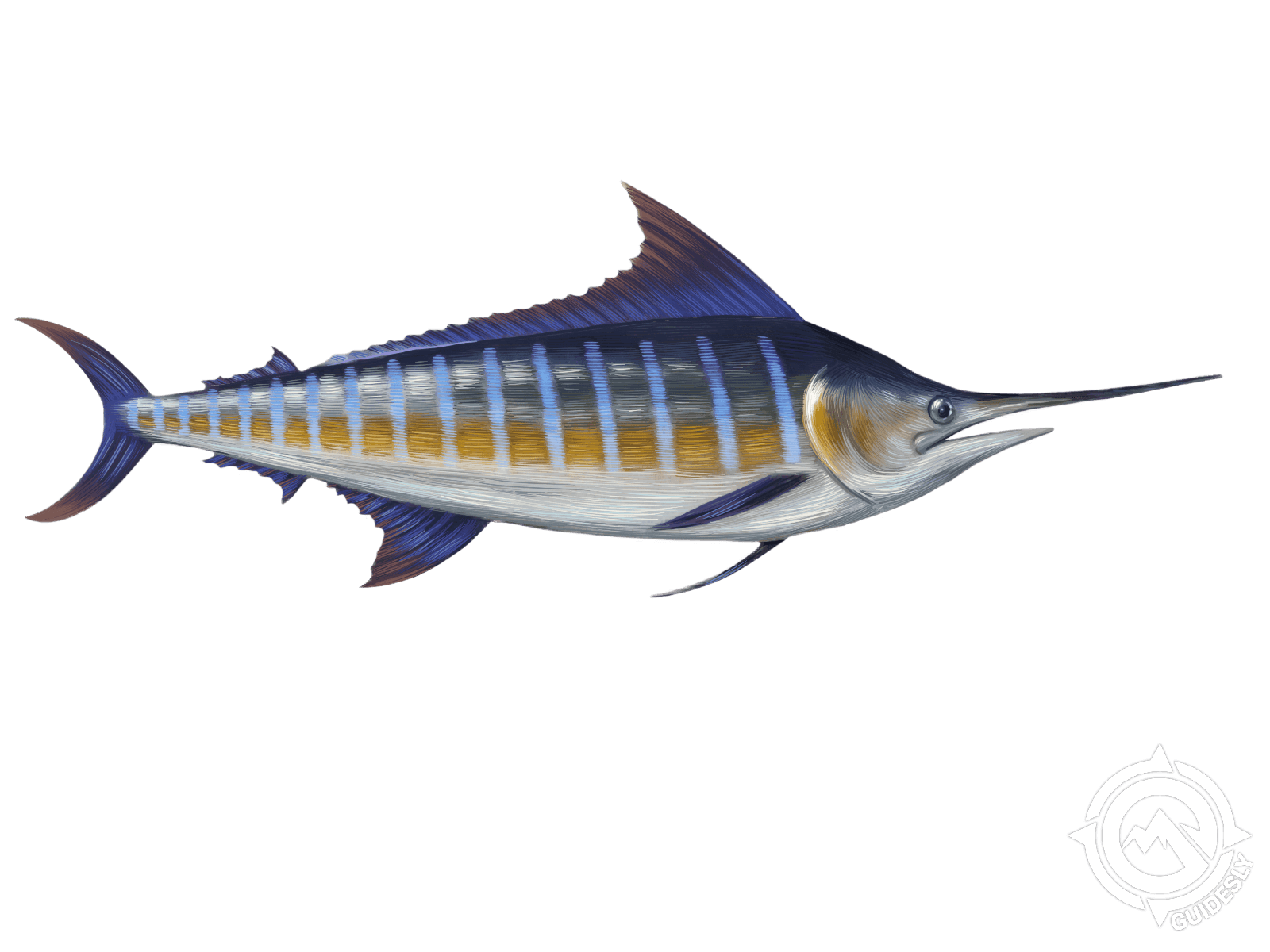
Cubera Snapper
Cubera snapper are the bruisers of the snapper family - these thick-bodied fighters can reach 40+ pounds and will try to drag you straight back to the rocks. We find them around rocky structure and reefs in 30-150 feet of water, where they ambush crabs and smaller fish. They're available year-round, but we see better action during calmer weather when we can get closer to the structure they love. The smaller ones make great eating, but the big cuberas are usually catch-and-release since they can carry ciguatera. We fish them with live bait or heavy jigs right on the bottom near the rocks. Key tip: when you hook a big cubera, put maximum pressure on them immediately - if you let them get back into the rocks, they'll cut you off every time. It's a tug-of-war from the first second.
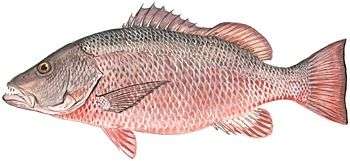
Roosterfish
Roosterfish are Costa Rica's signature inshore gamefish, famous for that dramatic dorsal fin "comb" that shoots up when they get excited. These guys average 20-40 pounds but can push over 100, and they're absolute bulldogs on the line. You'll find them year-round in our warm Pacific waters, cruising sandy beaches, rocky points, and shallow reefs in 20-80 feet of water. Most folks catch and release since the meat is pretty tough, but they make for amazing photos with that distinctive look. We target them with live bait like blue runners around the rocks, or cast lures near the surf line. Here's a local trick: when you see that fin pop up, don't set the hook right away - let them take it and run a bit first, or they'll spit it out.
Wahoo Fish
Wahoo are pure speed demons - these torpedo-shaped fish can hit 60 mph and make blistering runs that'll test your drag. They typically run 20-40 pounds around Quepos, with that beautiful blue-striped silver body. We find them year-round in deeper water, usually 100+ feet, cruising along drop-offs and around floating debris. What makes them special is that incredible speed and the fact they're absolutely delicious - firm white meat that's perfect for the grill or fish tacos. We troll high-speed with wire leaders since their razor teeth will cut through regular line in a heartbeat. Best tip I can give you: when trolling for wahoo, keep your speed up around 12-15 knots, and always use a wire trace - trust me on this one.
Yellowfin Tuna
Yellowfin tuna are the workhorses of offshore fishing here - these torpedo-shaped fighters average 30-80 pounds and can really test your stamina. They're found year-round in our deep blue waters beyond 200 feet, often traveling in schools that'll keep you busy for hours. What guests love most is the combination of a strong fight and premium sushi-grade meat - there's nothing like fresh yellowfin on the grill that same day. We target them by trolling spreader bars and ballyhoo, or jigging when we mark them deep on the fish finder. These fish are warm-blooded, so they've got serious endurance. Local secret: when the trolling slows down, try chunking with small pieces of bait to draw them up from the depths - sometimes they just need a little encouragement to come up and feed.
About the Monster Fishing
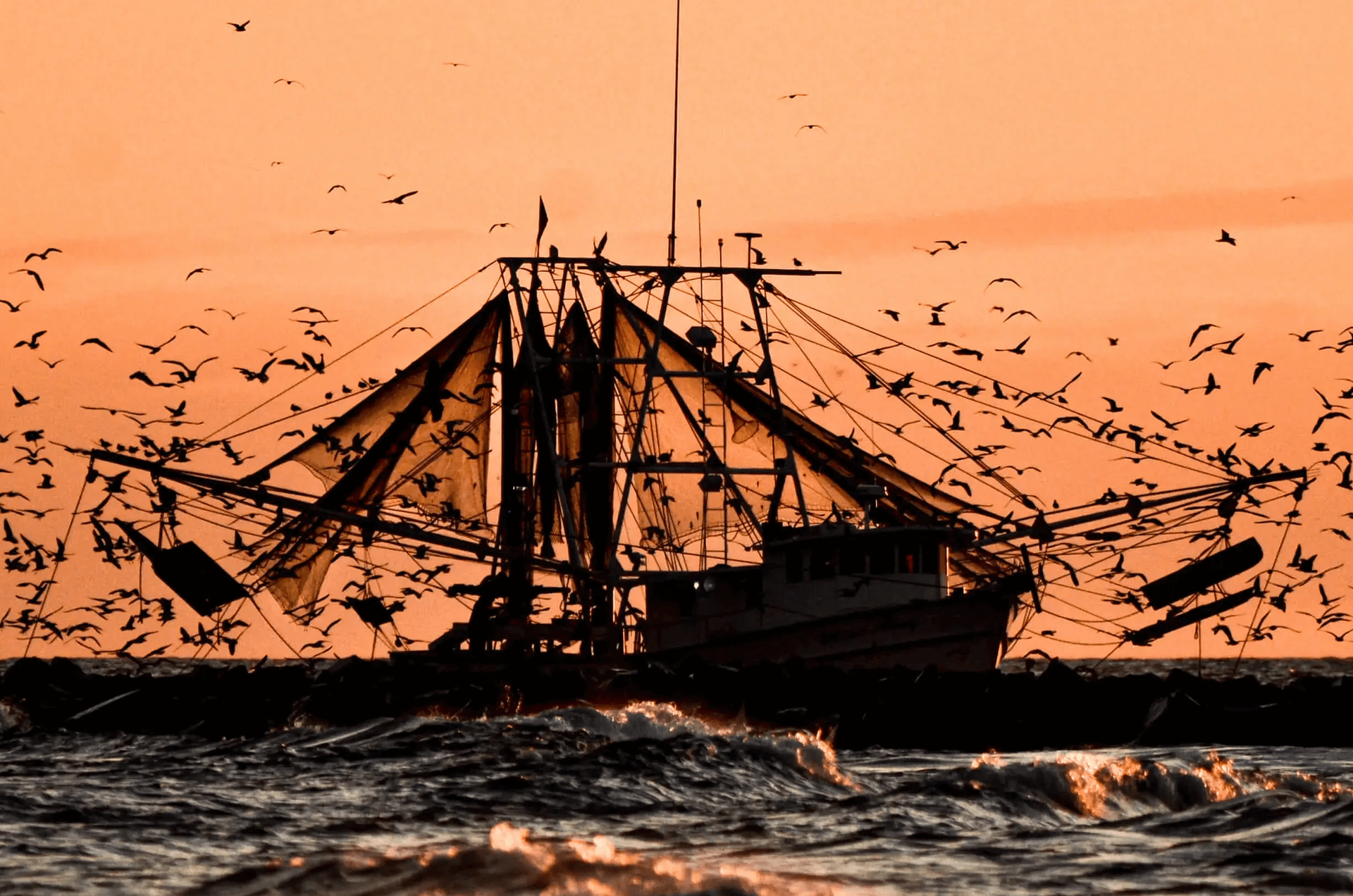
Vehicle Guest Capacity: 6
Manufacturer Name: Suzuki
Maximum Cruising Speed: 32
Number of Engines: 2
Horsepower per Engine: 200