Roosterfish Catch in Quepos - Captain Soto's Charter
Roosterfish Fishing in Quepos - What to Expect

Fishing Charter by Captain Jose AndréS Soto in November
- Premier Sport Fishing Charters In Quepos Coast


Summary
Join Captain Jose Andres Soto of Monster Fishing Quepos CR for an unforgettable fishing charter in Quepos on Sunday, November 2nd. This fishing charter targets roosterfish, one of the Pacific's most aggressive and acrobatic species. Experience expert guidance and prime fishing grounds where these iconic fish thrive year-round.
Fishing Charter with Captain Soto - Rates & Booking
Captain Jose Andres Soto of Monster Fishing Quepos CR led a fishing charter in Quepos on Sunday, November 2nd, showcasing the exceptional roosterfish action available off Puntarenas Province. This fishing charter targets the Pacific's most dynamic species in some of Costa Rica's premier coastal waters. Contact Monster Fishing Quepos CR directly to reserve your spot and discuss current rates, group size, and available departure times.
As a seasoned local captain, Soto brings decades of knowledge about roosterfish behavior, seasonal patterns, and the best techniques for landing these powerful fish. His expertise ensures guests experience both the thrill of the catch and the professional guidance that makes every trip memorable. Trust signals include local licensing, intimate knowledge of productive grounds, and proven success with roosterfish.
Highlights of This Fishing Charter
Roosterfish are among the most sought-after inshore and nearshore targets in Central America. These acrobatic fighters are known for explosive strikes, high-flying jumps, and relentless power once hooked. Quepos offers consistent roosterfish populations, particularly along rocky points and deeper channels where structure holds hungry fish.
The visual experience of landing a roosterfish is unmatched - their distinctive rooster comb-like dorsal fin and silvery-gold coloration make them instantly recognizable. Charter success depends on precise casting, strong tackle, and the ability to read water conditions. Captain Soto's local expertise navigates guests directly to active fish and teaches practical techniques that increase hook-up rates.
Local Species Insights - Roosterfish
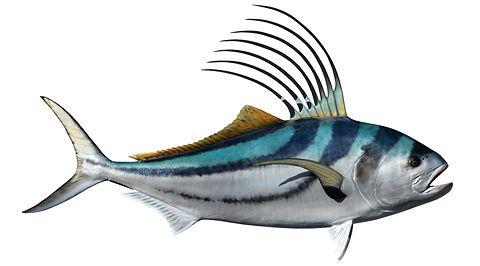
Roosterfish (Nematistius pectoralis) are apex predators found throughout the Eastern Pacific, with Quepos serving as one of their most prolific habitats. These fish are distinguishable by their elongated snout, powerful jaws, and the characteristic erectile dorsal fin that resembles a rooster's comb - the feature that earned them their name.
Roosterfish are aggressive hunters that feed on small baitfish, squid, and crustaceans. They prefer rocky outcrops, reefs, and deepwater channels where prey concentrations are highest. In Quepos waters, they range from 20 to 120+ pounds, with larger specimens found in deeper offshore zones. Their strike is explosive and violent - roosters typically attack with extreme prejudice, making the initial hook-set critical.
These fish are highly migratory within regional waters and respond well to live bait presentations and topwater lures. The best roosterfish action occurs during calmer water periods when visibility improves and prey fish are active. Quepos's unique geography, with its proximity to deep-water channels and productive shallow reefs, creates ideal conditions for consistent roosterfish encounters throughout the year.
Fighting a roosterfish demands serious tackle and technique. Their acrobatic leaps are legendary - roosters will often clear the water completely, violently shaking their heads mid-air to throw hooks. This behavior, combined with their raw power and speed, explains why they command such respect among charter anglers. The experience of battling a roosterfish is the primary draw for anglers traveling specifically to Quepos.
Fishing in Quepos, CR: Roosterfish
Roosterfish Overview
The Roosterfish (Nematistius Pectoralis) is a captivating inshore game fish belonging to the family Nematistiidae and order Perciformes. What makes this fish truly unforgettable is its iconic 'rooster comb'—a magnificent array of seven to eight long dorsal fin spines that the fish raises with lightning speed when excited or hunting prey. This distinctive feature is exactly how it earned its colorful common name. With its muscular build, striking dark diagonal stripes running along its silver flanks, and aggressive fighting spirit, the Roosterfish has become a prized target for sport anglers throughout Southern California, Peru, Panama, and Costa Rica. Whether you're visiting the legendary waters of Costa Rica or casting lines off the California coast, encountering a Roosterfish is an experience that will test your skills and reward you with an unforgettable fight.
One of the most fascinating aspects of this species is its remarkable biological adaptation: Roosterfish possess a unique swim bladder that penetrates through large foramina in their skull, allowing them to amplify sounds in their surrounding environment. They are the only fish species known to have this extraordinary acoustic feature, making them remarkable subjects for marine research and observation.
Roosterfish Habitat and Distribution
Roosterfish thrive in warm waters of the Eastern Pacific, establishing themselves as prominent residents from Southern California all the way down to Peru. These inshore warriors are particularly abundant around the coasts of Central America, especially in the productive waters of Costa Rica and Panama, where they can be pursued year-round by dedicated anglers. Unlike many other game fish, Roosterfish display a strong preference for specific environments, though they adapt to various conditions within their range.
These fish typically inhabit sandy-bottomed areas in the surf zone where they hunt for small baitfish, but they're equally comfortable navigating rocky reefs and around island formations. Interestingly, while they're inshore specialists, Roosterfish will occasionally venture near river mouths in search of food, though they avoid brackish waters entirely. If you're planning a trip to catch one, focus on coastal areas with clear, warm water and good current flow—these are the territories where Roosterfish feel most at home and hunt most aggressively.
Roosterfish Size and Weight
On average, a typical Roosterfish weighs around 110 pounds and stretches between 48 to 64 inches in length, making them a formidable adversary for any angler. These are substantial fish that demand respect, preparation, and proper equipment. The current International Game Fish Association world record stands at an impressive 114 pounds, 4 inches, a testament to just how large these creatures can grow under ideal conditions. When you hook into a Roosterfish of this caliber, you're engaging with one of the Pacific's most powerful inshore game fish, and the battle will demand every ounce of your strength and technique.
Roosterfish Diet and Behavior
Roosterfish are aggressive hunters that primarily feed on smaller fish species, with a particular preference for sardines, blue runners, mullet, and small bonito. Understanding their diet is crucial for anglers, as it directly informs bait selection and lure choice. These fish are opportunistic feeders that hunt in shallow waters during feeding periods, actively searching for schools of prey to ambush with their considerable speed and power.
What sets Roosterfish apart behaviorally is their incredible fighting capability and their seemingly intelligent evasion tactics. When hooked, they don't simply swim away—they execute long, powerful runs designed to exhaust and escape. Experienced anglers know that the moment a Roosterfish sees the boat, it will mount a final, desperate dash for freedom, testing the strength of your line, rod, and personal endurance. This aggressive, dynamic behavior is precisely why they've earned such a stellar reputation among sport fishermen and why they're considered one of the most challenging and rewarding catches in Pacific waters.
Roosterfish Spawning or Seasonal Activity
While specific spawning details for Roosterfish are less documented than some other game fish species, what is known is that these fish remain active and catchable throughout the year in tropical and subtropical waters like those surrounding Costa Rica and Panama. The consistency of warm water in these regions supports year-round feeding and activity, making Roosterfish accessible to anglers during every season. Water temperature, seasonal baitfish migrations, and lunar cycles can all influence feeding intensity, with many experienced guides noting that early morning and late afternoon periods often produce the most aggressive strikes, regardless of the season.
Roosterfish Techniques for Observation or Capture
Method 1: Trolling with Live Bait
The most effective approach for landing a Roosterfish involves slow trolling with live bait such as blue runners, bonito, or mullet. This method works exceptionally well because it mimics the natural prey movements that trigger aggressive strikes. The key is patience and proper presentation—maintain a slow, steady trolling speed in areas with sandy bottoms and near rocky outcrops. Use a medium-heavy rod approximately 13 feet long paired with a reel spooled with at least 300 yards of braided line. This setup gives you the power necessary to handle the fish's initial runs without exhausting yourself. Around Panama and Costa Rica, dawn patrols along coastal drop-offs consistently produce results.
Method 2: Casting Lures
When live bait isn't available, casting artificial lures that mimic the appearance and swimming patterns of their natural prey can be highly effective. Swimbaits, topwater plugs, and metallic jigs all work well. Cast parallel to rocky structures and reef edges, and retrieve with varied speeds to trigger strikes. This method requires excellent timing and rod control but offers the advantage of covering more water quickly.
Method 3: Fly Fishing
For the adventurous angler, fly fishing for Roosterfish presents an exciting challenge, though typically smaller specimens are caught using this method. Focus on river mouths and shallow flats during incoming tides. Use large, colorful streamers and crease flies that create visible disturbance on the water's surface. While you may not land trophy fish, the visual excitement of seeing a Roosterfish rise to your fly is an experience worth pursuing at least once.
Roosterfish Culinary or Utilization Notes
While Roosterfish is technically edible, most anglers practice catch-and-release conservation. The flesh is notably tough and carries a strong, somewhat unpleasant flavor that doesn't appeal to most palates, making it far less desirable for culinary purposes compared to other game fish. Many dedicated sport fishermen consider the real value of Roosterfish to be in the adventure of the catch, the spectacular fight, and the impressive photographs rather than table fare. The fish's low food quality rating reflects this consensus among both professional guides and recreational anglers across the Pacific regions where they're found.
Roosterfish Frequently Asked Questions
Q: What is the best bait for catching Roosterfish?
A: Live bait is superior, with blue runners, mullet, bonito, and sardines being top choices. These small fish species match the natural diet of Roosterfish and trigger aggressive feeding responses. If live bait is unavailable, use artificial lures designed to mimic these prey species' appearance and swimming patterns.
Q: Where can I find Roosterfish near Costa Rica?
A: Roosterfish are abundant year-round throughout Costa Rican coastal waters, particularly along the Pacific side. Focus on sandy-bottomed areas in the surf zone, rocky reefs, and coastal drop-offs. Local guides in towns like Quepos, Uvita, and other Pacific ports can direct you to current hot spots and seasonal patterns.
Q: Is Roosterfish good to eat?
A: Not particularly. While technically edible, Roosterfish meat is tough and has a strong, unpleasant flavor. The overwhelming consensus among anglers is that this species is best enjoyed as a catch-and-release experience, where the value lies in the exciting fight and the memory rather than culinary benefit.
Q: When is the best time to catch Roosterfish?
A: Roosterfish can be caught year-round in their warm-water habitat, but early morning and late afternoon typically produce the most aggressive feeding. Water conditions, tide cycles, and local baitfish movements influence activity levels, so consulting with local guides will optimize your timing for any specific location.
Q: What rod and reel setup do I need for Roosterfish?
A: Use a medium-heavy rod approximately 13 feet long paired with a quality reel spooled with at least 300 yards of braided line. This setup provides the power and durability necessary to handle the Roosterfish's aggressive runs and fight without personal injury or equipment failure.
Q: Why is Roosterfish called a Roosterfish?
A: The name comes from the fish's distinctive dorsal fin, which resembles a rooster's comb. When the fish is excited or hunting, it rapidly raises seven to eight long spines in a dramatic display that's visually similar to a rooster's iconic comb, hence the colorful common name that has stuck for generations of anglers.